
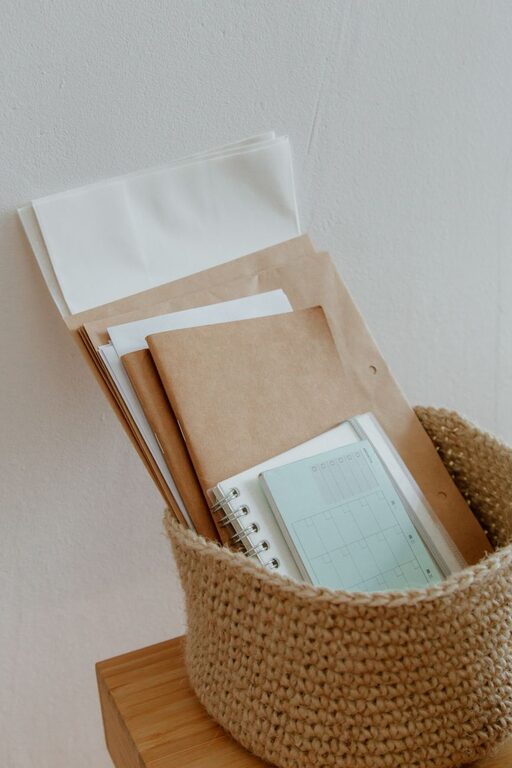
Paper clutter is a common issue that can quickly overwhelm any living space. From bills and receipts to magazines and children’s artwork, paper tends to accumulate faster than we realize. Fortunately, there are simple ways to reduce household paper clutter and maintain a more organized, peaceful home. This post outlines practical strategies to help you manage paper effectively and keep it from taking over your space.
Why Reducing Paper Clutter Matters
Before diving into tips, it’s helpful to understand the benefits of dealing with paper clutter:
– Less stress: Clutter can cause mental fatigue. A tidy space promotes peace of mind.
– More space: Paper piles take up room that could be used for other purposes.
– Easier to find important documents: Staying organized saves time and frustration.
– Better for the environment: Reducing unnecessary paper use cuts down on waste.
With these benefits in mind, let’s explore actionable steps to minimize paper clutter in your home.
1. Conduct a Paper Purge
Start by gathering all the paper in your home and sorting it into categories:
– Bills and statements
– Personal documents (birth certificates, warranties)
– School papers and kids’ art
– Coupons and flyers
– Magazines and newspapers
– Miscellaneous notes and receipts
Once sorted, evaluate what you truly need to keep. Shred or recycle anything that is outdated or no longer useful. This initial purge sets the foundation for a clutter-free environment.
2. Go Digital Whenever Possible
One of the most effective ways to reduce paper is to switch to digital alternatives:
– Opt for e-statements and bills: Many banks and service providers offer paperless options.
– Scan important documents: Save digital copies on your computer or cloud storage.
– Use apps to manage receipts: Apps can help you track expenses without keeping piles of paper.
– Subscribe to digital magazines and newsletters: Reduce physical subscriptions to declutter.
Digital documents take up zero physical space and are usually easier to organize and search.
3. Set Up a Paper Management System
Having a designated system for incoming paper helps prevent clutter from piling up again:
Create an Incoming Paper Station
– Place a tray or basket near your main entry point for letters, flyers, and other papers.
– Empty this tray regularly and sort items immediately.
Use Filing Folders or Binders
– Dedicate folders or binders for categories like bills, receipts, warranties, and kids’ artwork.
– Label them clearly and store in a consistent spot.
Implement a “One-Touch” Rule
– Handle each piece of paper once: decide to file, act, or recycle it right away.
– Avoid setting papers down to deal with later—this only adds to clutter.
4. Regularly Review and Reassess
Paper management is an ongoing process. Schedule weekly or monthly reviews to:
– Remove items no longer needed.
– Reorganize your files.
– Shred sensitive documents that have expired.
Routine maintenance keeps paper clutter from creeping back in.
5. Minimize Incoming Paper
Some papers enter your home unnecessarily. Here’s how to reduce it:
– Opt out of junk mail: Visit websites like DMAchoice to reduce unsolicited mail.
– Unsubscribe from marketing materials: Contact companies to stop flyers or catalogs.
– Limit school papers: Ask teachers for digital versions when possible or select favorites to keep.
Proactively limiting what comes into your home makes managing paper much easier.
6. Use Creative Storage Solutions for Keepsakes
Some papers, like kids’ drawings or special cards, are worth keeping but don’t belong in a cluttered pile:
– Use large envelopes or portfolio folders to store artwork.
– Create a rotating display area for favorites and swap out regularly.
– Consider photographing or scanning keepsakes and storing them digitally to preserve memories without bulk.
7. Encourage Family Participation
Paper clutter often comes from multiple household members. Involve everyone:
– Teach children to place school papers in a designated spot.
– Share the responsibility of sorting and filing.
– Establish clear guidelines for what to keep or toss.
A team effort makes paper management smoother and more consistent.
8. Implement Simple Daily Habits
Small, daily actions can have a big impact:
– Sort mail immediately after bringing it in.
– Shred junk mail or receipts right away.
– Keep a shredder and recycling bin accessible.
– Use note-taking apps instead of sticky notes when possible.
These habits prevent paper from accumulating in the first place.
Final Thoughts
Reducing paper clutter at home doesn’t have to be complicated or time-consuming. By decluttering regularly, embracing digital options, setting up clear systems, and involving your family, you can enjoy a cleaner, more organized living environment. Start with one or two changes today and build from there—your space and peace of mind will thank you!