
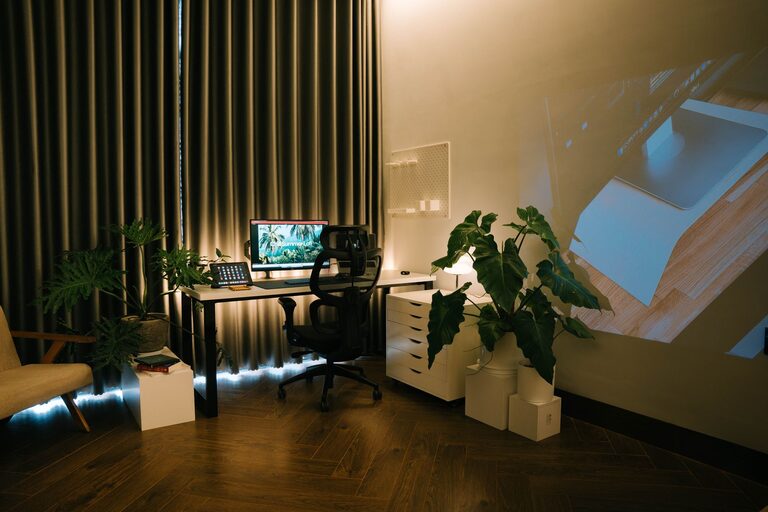
Creating a relaxing home workspace is essential for anyone who spends significant time working from home. A calm, organized, and comfortable environment can help reduce stress, improve focus, and increase productivity. Whether you’re setting up a dedicated office room or a small corner in your living space, the following guide offers practical steps to make your workspace a peaceful and inspiring place to work.
Why a Relaxing Workspace Matters
Work environments directly impact our mood and performance. A cluttered, noisy, or uncomfortable space can lead to distractions, fatigue, and frustration. In contrast, a relaxing workspace helps:
– Boost concentration and creativity
– Lower stress levels
– Encourage better posture and comfort
– Enhance overall well-being
Step 1: Choose the Right Location
Selecting the perfect spot for your workspace is the first step. Consider these factors:
– Natural Light: Position your desk near a window to enjoy natural sunlight, which improves mood and reduces eye strain.
– Quiet Area: Find a space away from heavy foot traffic and household noise to minimize distractions.
– Adequate Space: Ensure there’s enough room for your desk, chair, and any equipment you need without feeling cramped.
If space is limited, don’t worry—balancing function and comfort can make even a small area work effectively.
Step 2: Invest in Comfortable Furniture
Comfort is key to creating a relaxing workspace. Focus on these essentials:
Ergonomic Chair
A chair with adjustable height, good lumbar support, and cushioning helps maintain proper posture and prevents back pain.
Functional Desk
Choose a desk with enough surface area to hold your computer, documents, and accessories. Consider options with built-in storage or shelves to keep items organized.
Additional Furniture
If you have space, add a small side table, filing cabinet, or a bookshelf to keep your work essentials nearby but tidy.
Step 3: Declutter and Organize
A cluttered desk can cause mental clutter. Use these strategies to stay organized:
– Use Storage Solutions: Bins, trays, and drawer dividers help keep office supplies neat.
– Limit Desk Items: Keep only frequently used objects on your desk to reduce distractions.
– Cable Management: Use clips or sleeves to tidy up cords and chargers.
Regularly decluttering your workspace can refresh the environment and make it feel more relaxing.
Step 4: Personalize Your Space
Adding personal touches makes your workspace inviting and motivating. Consider:
– Plants: Small indoor plants improve air quality and bring a touch of nature indoors.
– Artwork or Photos: Hang inspiring pictures or artwork that makes you happy.
– Comfort Items: Include a cozy throw, a favorite mug, or scented candles for a calming atmosphere.
Balance personalization with simplicity to avoid overcrowding your work area.
Step 5: Optimize Lighting
Proper lighting reduces eye strain and enhances focus:
– Layered Lighting: Combine natural light with task lighting and ambient light to create a comfortable environment.
– Adjustable Desk Lamp: Direct light where you need it, especially for reading or detailed work.
– Avoid Glare: Position screens and lamps to minimize glare and reflections.
Using warm light bulbs can also create a soothing environment compared to harsh, cool lighting.
Step 6: Control Noise and Distractions
A peaceful environment promotes concentration:
– Noise-Canceling Headphones: Useful if you have pets, family members, or neighbors making noise.
– White Noise Machines or Soft Music: These can help drown out distracting sounds without being overwhelming.
– Set Boundaries: Communicate your work hours to those around you to minimize interruptions.
Reducing noise enhances your ability to focus and decreases stress levels.
Step 7: Maintain Good Air Quality and Temperature
Comfort extends beyond furniture and lighting:
– Ventilation: Open windows when possible or use an air purifier to keep the air fresh.
– Temperature Control: Use fans, heaters, or adjustable thermostats to maintain a comfortable temperature.
Fresh air and a pleasant temperature can keep you alert and comfortable throughout the day.
Step 8: Take Breaks and Move
Even in a relaxing workspace, it’s important to avoid sitting for long periods:
– Set Reminders: Use apps or timers to remind yourself to stand up, stretch, or walk every hour.
– Movement Space: If possible, keep a small open area for quick exercises or stretches.
– Relaxation Corner: Consider a comfy chair or cushion nearby for short breaks to clear your mind.
Regular movement supports physical health and maintains mental clarity.
Final Thoughts
Creating a relaxing home workspace is about combining comfort, organization, and personalization to support your work routine. Small changes like adding plants, improving lighting, or organizing cables can have a big impact on your workday. By designing a space that feels inviting and peaceful, you set yourself up for greater productivity and happiness while working from home.
Start today by picking one or two of these tips and gradually build a workspace that truly supports your needs.