
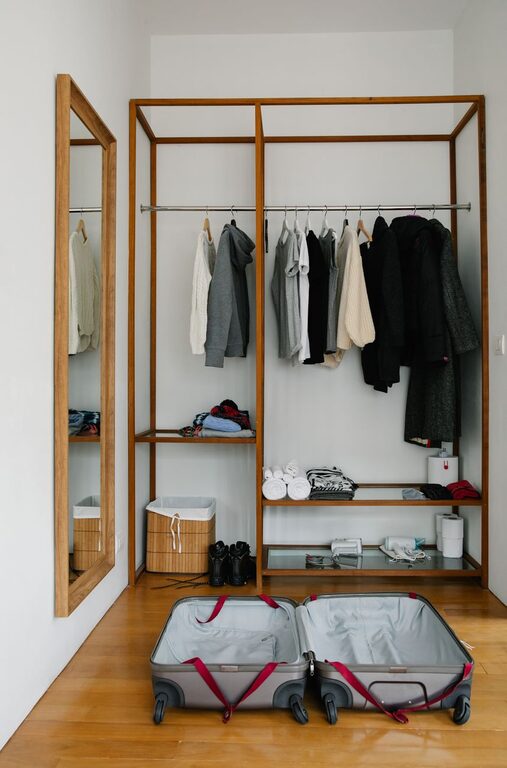
Storing seasonal clothes efficiently can make a big difference in how organized your home feels and how easy it is to switch wardrobes when the seasons change. Whether you’re packing away winter coats in spring or tucking away summer dresses in fall, having a clear system helps keep your clothes in great condition and frees up closet space for what you currently need. Here’s a comprehensive guide to help you store your seasonal clothes smartly and smoothly.
Why Efficient Seasonal Storage Matters
Changing your wardrobe with the seasons is a natural task, but without proper storage, clothes can get wrinkled, damaged, or forgotten at the bottom of a pile. Efficient storage:
– Protects clothes from dust, moisture, and pests
– Saves space in your living areas
– Makes it easier to find what you need when seasons change
– Helps extend the life of your garments
Now let’s dive into the best ways to achieve this.
Step 1: Sort and Clean Before Storage
Before packing up your clothes:
– Sort carefully: Separate items by category — sweaters, coats, dresses, etc. Also, consider if you actually want to keep each piece. Seasonal turnover is a great chance to declutter.
– Clean everything: Wash or dry-clean clothes according to their labels. Storage is not the time to put away dirty items because stains or dirt can attract pests or cause damage.
– Inspect for repairs: Mend any loose buttons, tears, or broken zippers to avoid problems when you take the clothes out again.
Step 2: Choose the Right Storage Containers
The containers you use will impact how your clothes fare while stored.
Options to Consider:
– Plastic bins with airtight lids: Ideal for keeping out moisture and pests. Look for clear bins to easily identify contents without opening them.
– Fabric storage bags: Good for breathability, preventing mildew but less protective against pests or water leaks.
– Vacuum storage bags: Great for reducing volume, especially bulky items like jackets and blankets. They protect against dust and moisture but should be used with caution as compressing some fabrics too much can damage them.
– Suitcases or trunks: Reuse luggage you have, as it’s designed for storage and transport.
Tips:
– Avoid cardboard boxes for long-term storage as they can attract pests and absorb moisture.
– Place silica gel packets or natural moisture absorbers like cedar blocks inside containers to help keep clothes dry and fresh.
Step 3: Organize by Use and Fabric Type
Inside your storage containers:
– Group clothes by type (e.g., tops, bottoms) or by use (casual, formal). This makes it easier when you retrieve them.
– Layer delicate fabrics on top to prevent crushing.
– Use tissue paper or cotton bags to separate and protect delicate pieces like silk or cashmere.
Step 4: Use Storage Space Wisely
Think beyond your closet. Seasonal clothes don’t have to compete with current items for space.
– Under-bed storage: Slim containers or bags can fit here neatly.
– High shelves: Use labeled bins to store bulky winter items out of the way.
– Vacant drawers or cabinets: Dedicate some drawers to seasonal storage.
– Hooks or hanging organizers: For items that must stay on hangers, use garment bags and hang them in a less-used closet or behind the main closet door.
Step 5: Maintain Your Storage
Storage isn’t a “set it and forget it” situation. To keep clothes fresh and ready:
– Check on your stored clothes every few months to air them out. This helps prevent mustiness.
– Replace moisture absorbers as needed.
– Shake out vacuum bags or change positioning of bins to avoid permanent creasing.
Bonus Tips for Seasonal Clothes Storage
– Label everything: Use labels on bins or bags with the contents and season for quick identification.
– Rotate clothes seasonally: When you bring out your seasonal wardrobe, clean and inspect items before returning them to storage.
– Use cedar or lavender sachets: Natural scents deter moths and give your clothes a fresh smell.
– Store shoes and accessories separately: Keep them clean and in boxes or organizers to avoid damage and clutter.
Conclusion
Efficiently storing seasonal clothes is a simple way to keep your home organized and your wardrobe in excellent condition. By sorting, cleaning, choosing proper containers, organizing thoughtfully, and maintaining your stored items, you’ll enjoy hassle-free wardrobe changes every year. Try these tips and turn your seasonal clothing storage into an easy, manageable routine!