
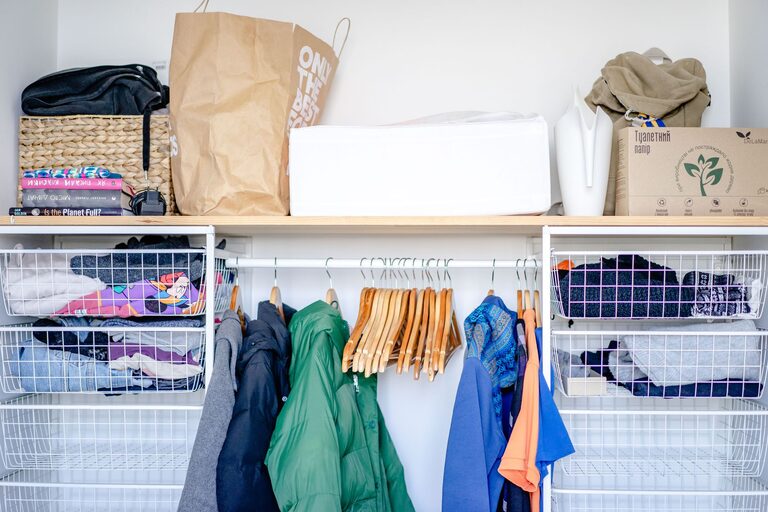
Storing seasonal clothes efficiently can save you space, protect your garments, and make dressing for any season a breeze. Whether you’re clearing out winter coats in spring or putting away summer dresses for fall, having a system in place helps keep your wardrobe neat and your clothes in great condition. In this post, we’ll explore practical tips and strategies to store seasonal clothes efficiently, so you can enjoy a more organized home throughout the year.
Why Efficient Seasonal Storage Matters
When clothes are stored properly, they stay cleaner, last longer, and take up less space. Without a plan, seasonal clothing can become wrinkled, damaged by pests, or difficult to find. Improved storage helps you save time and reduces clutter, allowing you to focus on your daily routine instead of digging through piles.
—
Preparing Your Clothes for Storage
Before packing away seasonal clothes, take some simple steps to ensure they’re clean and protected.
Clean Everything First
– Wash or dry clean: Dirty clothes left in storage can develop stains, odors, or attract insects.
– Make repairs: Fix loose buttons, tears, or broken zippers to avoid damage during storage.
– Dry completely: Clothes should be completely dry to prevent mold and mildew.
Sort and Declutter
– Separate items that you no longer wear or need.
– Donate or recycle clothes in good condition.
– This reduces the amount you store and keeps your wardrobe fresh.
—
Choosing the Right Storage Containers
The containers you use make a big difference in protecting your clothes.
Types of Storage Options
– Plastic bins with lids: Durable and airtight, great for keeping out moisture and pests.
– Vacuum-seal bags: Compress clothes to save space and protect from dust.
– Canvas or breathable garment bags: Ideal for delicate items that need air circulation.
– Storage boxes with dividers: Good for organizing smaller items like scarves or gloves.
Tips for Container Use
– Avoid cardboard boxes as they can attract pests and easily get damaged.
– Label each container clearly with the contents.
– Use acid-free tissue paper between delicate fabrics to maintain shape.
—
Ideal Storage Locations
Choosing the right spot for storing seasonal clothes is just as important as how you store them.
Best Places to Store Clothes
– Closet shelves: Accessible and easy to organize.
– Under-bed storage: Utilizes space efficiently in small rooms.
– Attic or basement: Only if the area is clean, dry, and temperature-controlled.
– Storage ottomans or benches: Dual-purpose furniture helps save space.
Avoid These Spots
– Areas with high humidity or temperature fluctuations.
– Direct sunlight that can fade fabrics.
– Floors where clothes are vulnerable to moisture or pests.
—
Organizing Tips for Easy Access
When it’s time to rotate your wardrobe, efficient organization saves you from hassle.
Group by Category
– Separate by item type: tops, bottoms, outerwear, accessories.
– Consider organizing by color or frequency of use.
Use Dividers and Labels
– Clearly divide containers inside for better visibility.
– Attach labels to help identify contents without opening boxes.
Keep Seasonal Essentials Handy
– Store frequently used items in easily accessible places.
– Items you only wear once or twice a season can be stored in less accessible spots.
—
Protecting Your Clothes from Damage
Little precautions can go a long way in maintaining your clothes’ condition.
Prevent Pests
– Use natural repellents like cedar blocks, lavender sachets, or moth balls (with caution).
– Regularly check stored clothes for signs of insects or damage.
Maintain Freshness
– Air out clothes before storing and occasionally during storage.
– Use silica gel packs in containers to control moisture.
—
Seasonal Storage Routine
Creating a routine for seasonal storage helps keep your wardrobe organized year after year.
Suggested Routine
- **Before storing**: Clean, repair, and sort clothes.
- **Pack properly**: Use suitable containers and label everything.
- **Store in a good location**: Dry, cool, and pest-free.
- **Mid-season check**: Air out clothes and inspect for issues.
- **Rotate clothes**: At the start of the new season, swap containers and update labels if needed.
—
Final Thoughts
Storing seasonal clothes efficiently doesn’t need to be complicated. With the right preparation, storage supplies, and routine, you can protect your wardrobe and enjoy more living space year-round. Start small, choose the best containers, and maintain your system over time for the best results. Happy organizing!